Lux Aeterna Collaborates with University of Bristol on Relighting Gaussian Splats
As a high-end VFX studio, Lux Aeterna is often asked to create evocative, believable visuals for film and TV. Two key technologies have emerged over recent years to help bridge the gap between VFX and the real world: virtual production and Gaussian splatting.
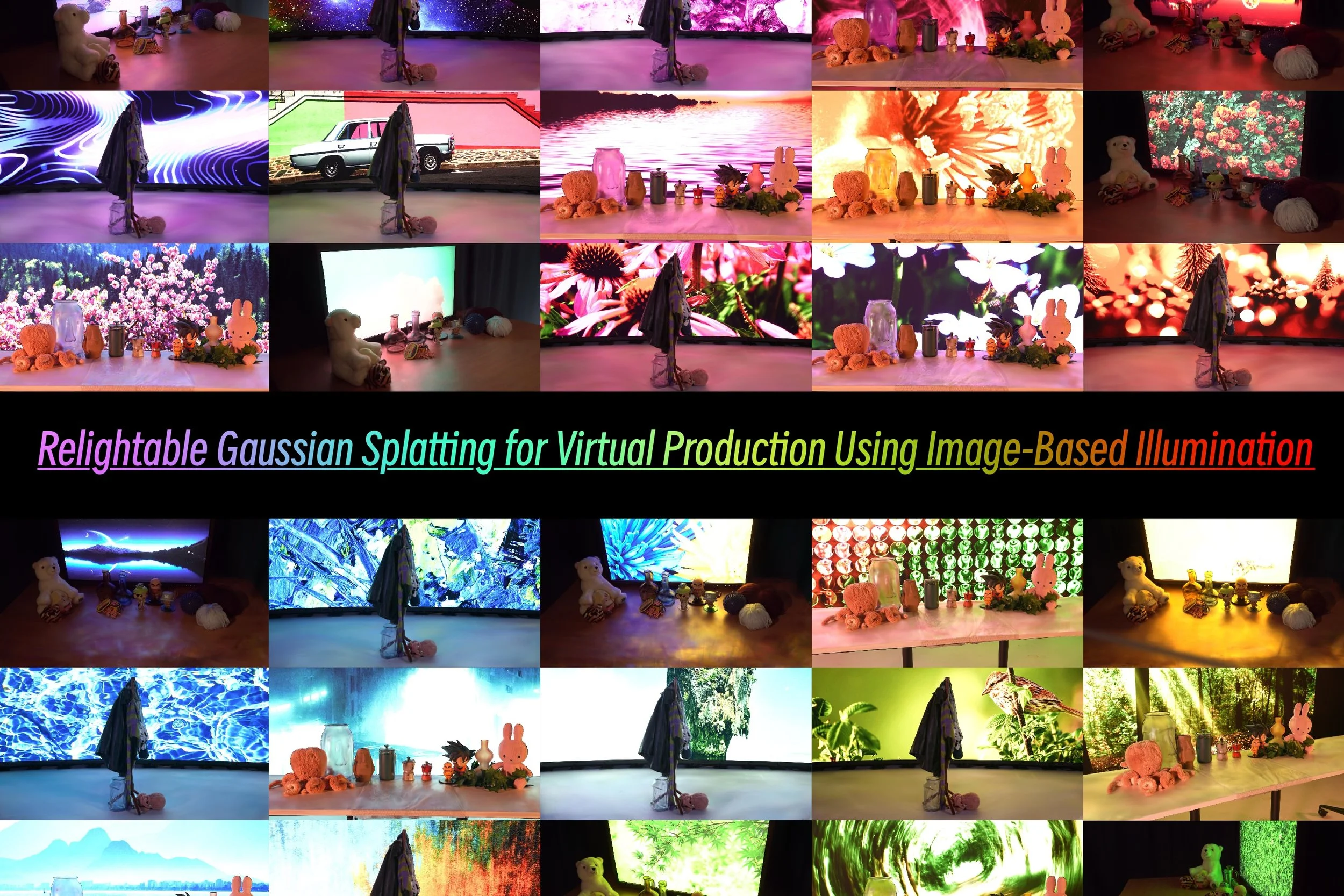
I’ve talked a lot about Gaussian splatting on the blog before, it’s a rapidly developing 3D representation technology that has already seen use in Hollywood films, TV shows, music videos and more. If you’ve been following the technology, or reading this blog, you’ll know one of the big questions looming over Gaussian splatting right now is “How do we light splats in the same way we can light conventional 3D geometry?” Which is why we were thrilled to partner up with University of Bristol on their research into how Gaussian splats could be used within a virtual production context, and a proposed approach to relighting splats. The core challenge is that Gaussian splats are a 3D reconstruction of a subject created from a dataset of images, and as such, their appearance is strictly based on those images. That means if a subject was lit with a warm light from the side, that’ll be exactly how the Gaussian splat model will appear. This apparent inflexibility versus conventional 3D rendering can rule splats out of many VFX applications, including within a virtual production context.
Through our research, a technique was developed utilising virtual production that separates object colour from lighting colour and intensity, allowing changes to the scene lighting by changing the image being displayed on the background LED wall. By filming the original scene against known background images, the system is trained to handle new, unfamiliar backgrounds images and generate the associated lighting.
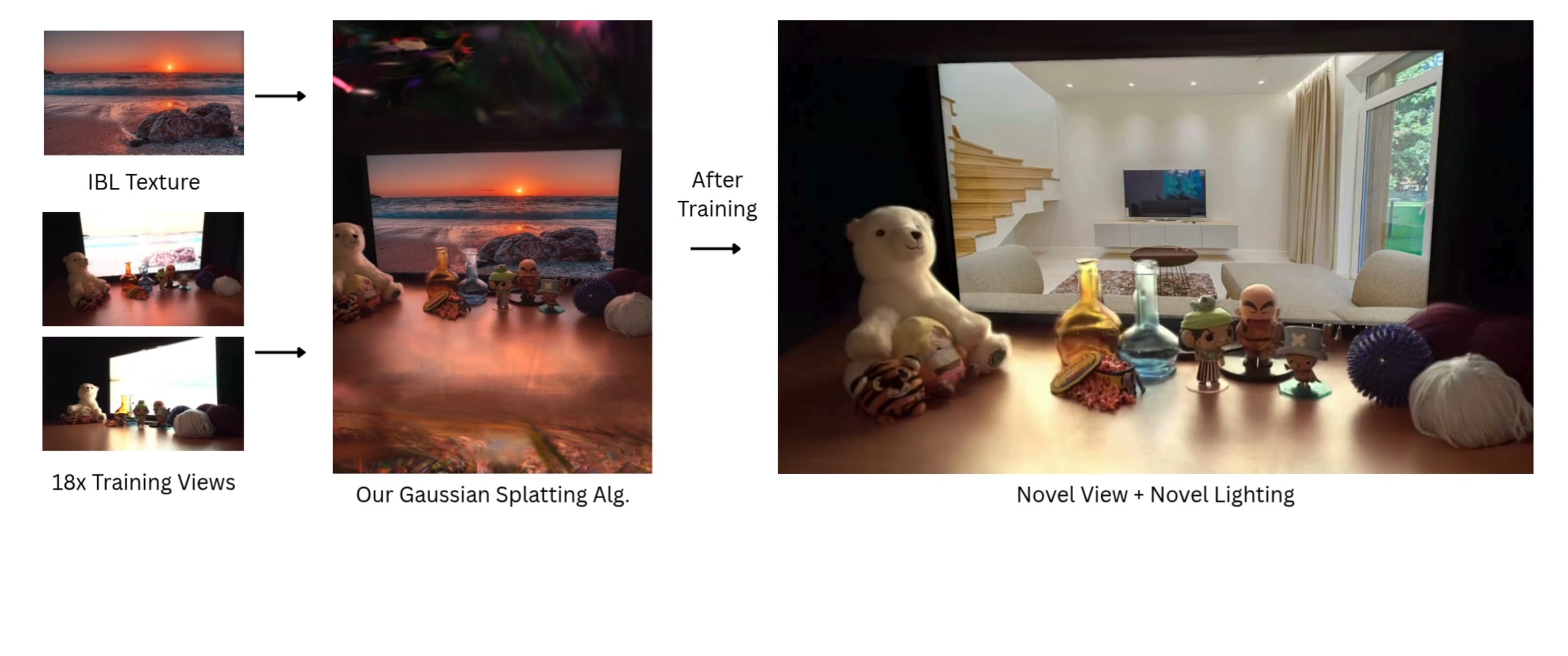
Our technique can also remove the background lighting, giving more flexibility to use virtual light sources to create a believable scene. In addition, the tool can be used to generate consistent 3D maps for light intensity, depth and surface texture.
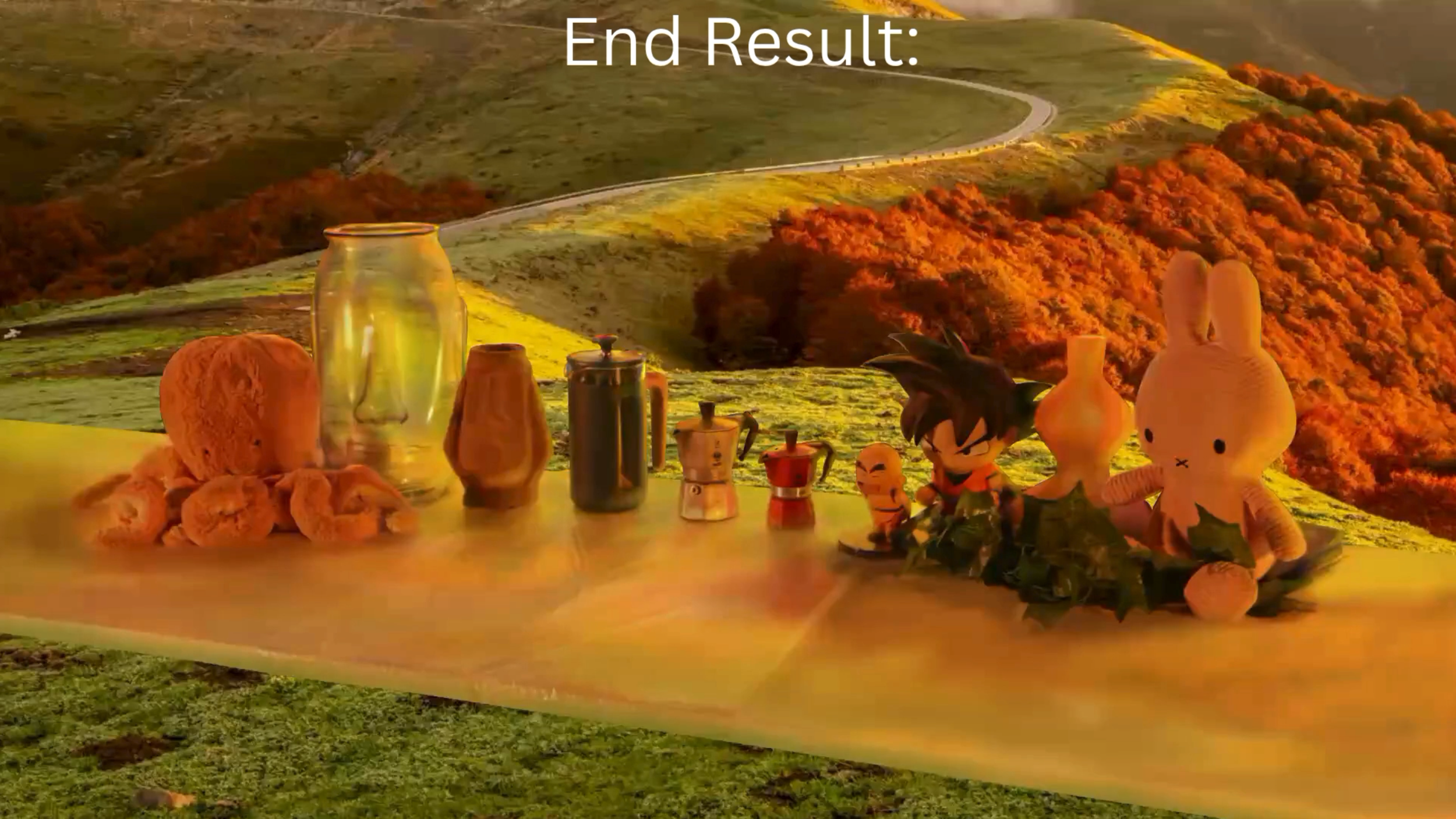
The end result is high-quality 3D reconstruction with easily controlled photorealistic lighting.
Our research paper: “Relightable Gaussian Splatting for Virtual Production Using Image-Based Illumination” will be presented at SIGGRAPH Asia 2026 this December.