

Using Unreal for Previz in the Making of RENO
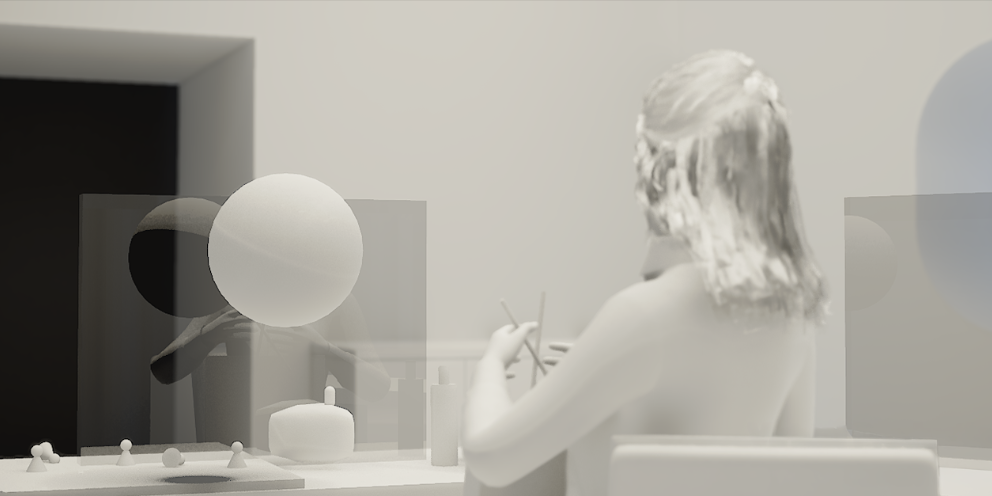
Now that RENO, our sci-fi short film, has wrapped, Creative Technologist James looks back on the process of using Unreal for Previz during the production, and discusses some of the innovations and solutions the team harnessed along the way. RENO was created as part of the MyWorld project and filmed on the virtual production stage at The Sheds in Bristol. James explains more here:
As RENO’s storyboard developed, we looked to bring that work into an environment where we could begin to visualise and plan shots in 3D. Because there were so many virtual production and VFX shots across the film, it made sense to do previz not just for our full CGI sequences, but for all planned shots. We were already using Unreal to develop our virtual production content, but it also made sense to use Unreal for previz as it would let us very quickly build, compose and render our previz scenes.
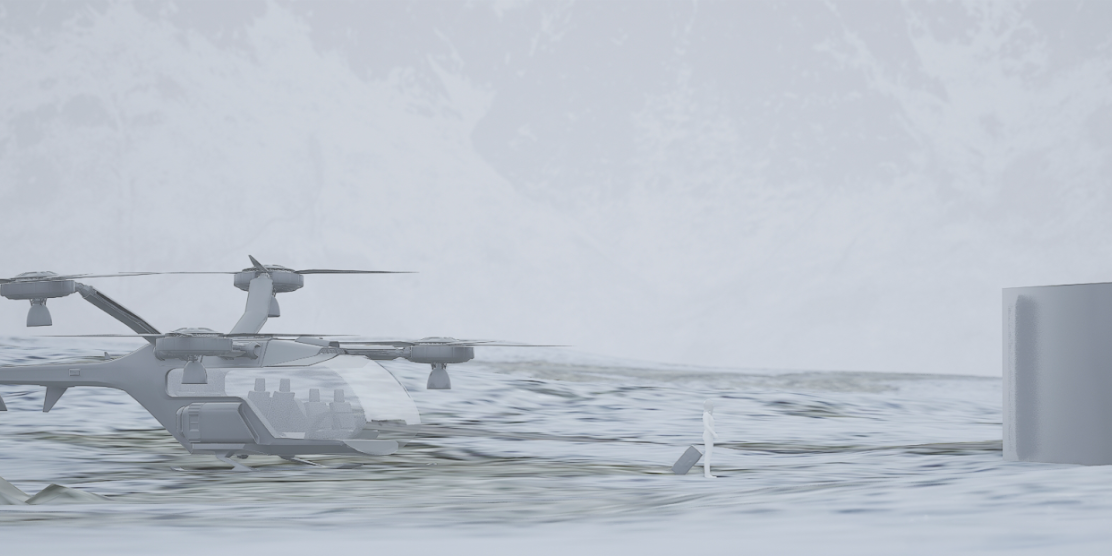
We knew that we would be filming RENO with the Sony Venice II cine camera, and fortunately Sony has created the ‘Virtual Production Tool Set’ plugin for Unreal that includes a virtual Venice II that can be used to help see how your shots look with the camera and various lenses.
Working with RENO’s set designers, we brought their CAD plans for the set into Unreal. This, combined with the Sony Venice plugin, gave us a really grounded way to previsualise and plan shots, as well as develop an animatic that further informed creative and practical decisions ahead of the shoot.
When the time came for the shoot, Director Rob Hifle and DOP Louie Blystad-Collins used the previz as a jumping off point for shots - often carrying out the same composition as the previz, but also having the flexibility to try something else if desired. This ability to efficiently get into each shot helped the shoot go as smoothly as possible, and ensure the crew could make the most of their time on set.
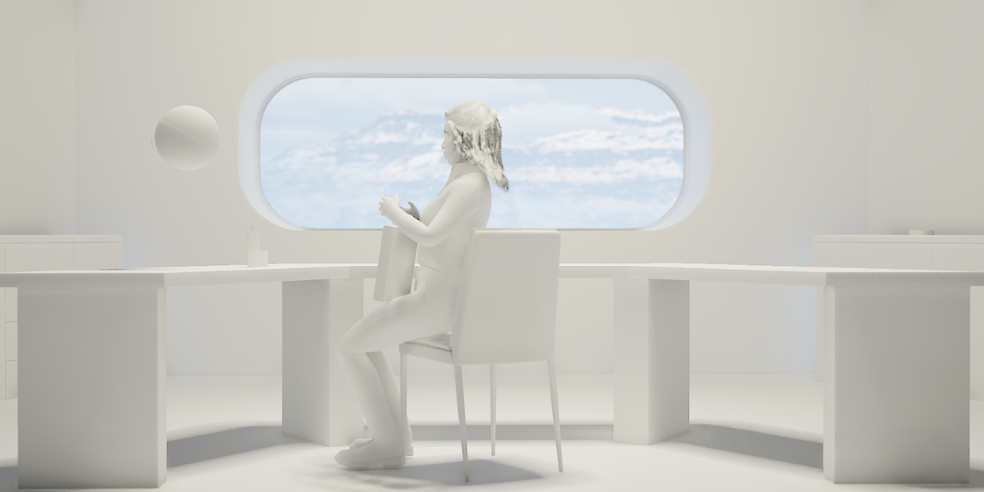
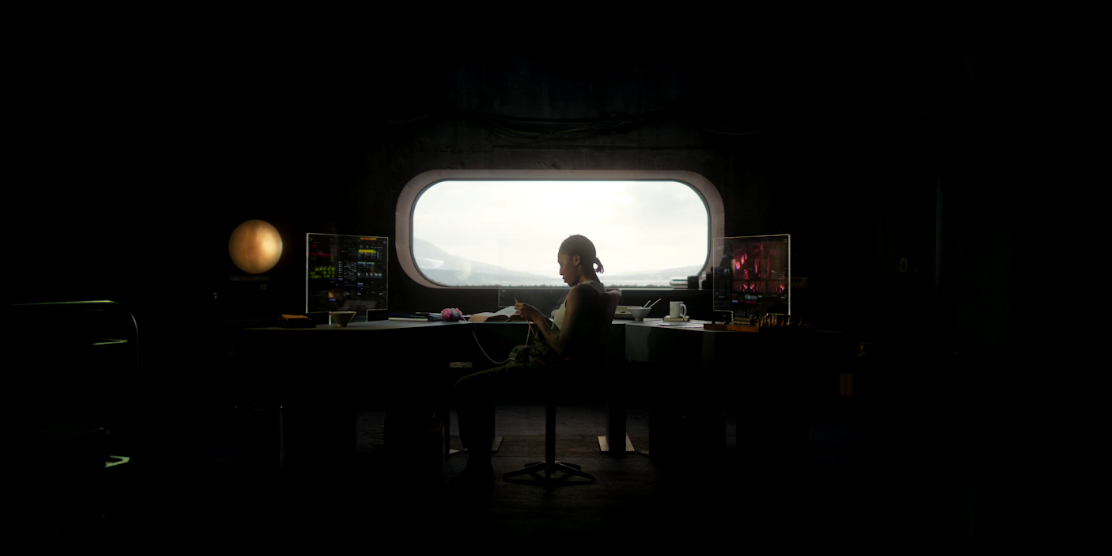
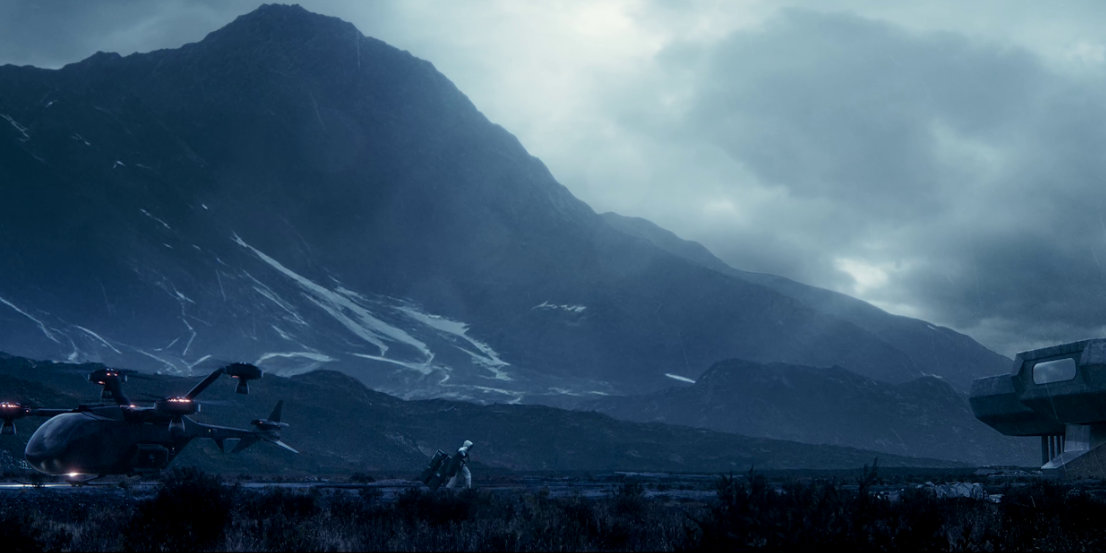
After the shoot was wrapped up we still had several CGI sequences to construct, and the previz continued to be useful not only in approaching those sequences but as a stand-in for them in the ongoing edit. We were able to update it with early versions of 3D assets, which was really helpful for artists working on those assets to see them in context.
Whilst previz is a very common process at Lux Aeterna - we produce and work with previsualisations all the time - the extra steps we took for RENO created an essential multipurpose environment used pre, during, and post-shoot. We’ll be taking our learnings forward into future projects and developing new previz tools along the way. We look forward to sharing them with you…